Gas prices in Europe continue to rise and the geopolitical situation and the war are creating additional uncertainty in the energy market. In the Netherlands, where many homes are still heated with gas, homeowners feel this directly in their energy bills. One of the most effective ways to reduce costs is by improving the insulation of the home – also from the inside.
Internal wall insulation
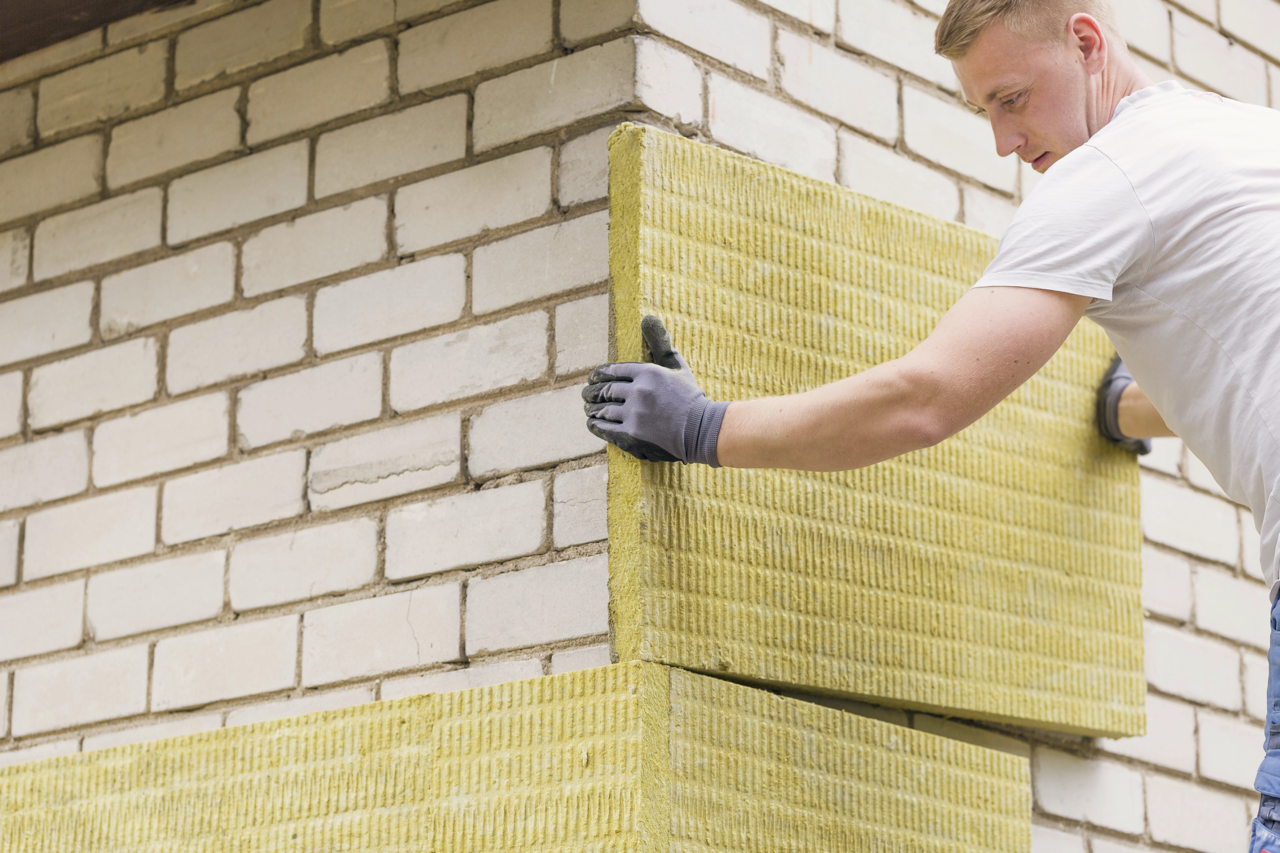
Uninsulated exterior walls can be responsible for 20–30% of heat loss in a home. Internal insulation involves installing insulating materials such as mineral wool, PIR boards or special insulation systems that reduce heat loss. This is especially a good solution for older homes or buildings where facade insulation is not possible. Properly installed insulation increases living comfort and significantly reduces gas consumption.
Roof and attic insulation
The roof is one of the largest sources of heat loss. Up to 25–30% of heat can escape through a poorly insulated roof. That is why insulating the roof from the inside is one of the most cost-effective energy-saving measures. Materials such as mineral wool or modern insulation boards are often installed between or beneath the roof structure. This keeps heat inside the house and allows the heating system to work more efficiently.
“We are seeing rapidly growing interest in energy renovations of homes in the Netherlands. Rising gas prices and uncertainty in the energy market are encouraging homeowners to invest in sustainable solutions. A comprehensive energy modernisation not only reduces energy costs, but also increases living comfort and the value of the property.” emphasises Robert Siutkowski, CEO of Renoverend.
What else can you do to make your home more energy efficient?
Insulating walls and the roof is an important step, but the best results are achieved through a comprehensive energy renovation of the building.
For example:
-
replacing old windows with energy-efficient glazing,
-
sealing gaps and cracks,
-
improving floor insulation,
-
modernising the heating system,
-
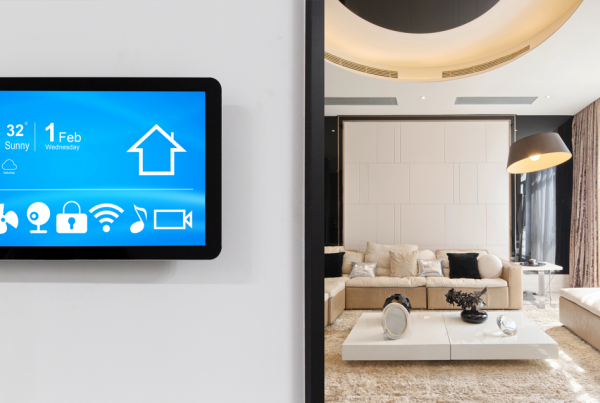
installing smart thermostats.
By combining multiple measures, energy consumption can be significantly reduced and energy costs can remain more manageable.
Insulation of windows and external doors
Old or poorly sealed windows and external doors can allow a lot of heat to escape. Even small gaps cause warm air to leave and cold air to enter, forcing the heating system to work harder. Replacing old windows with HR++ or triple glazing can significantly reduce heat loss. If replacement is not immediately necessary, sealing gaps around frames and doors can already make a noticeable difference in energy consumption and comfort.
Floor insulation
Heat can also be lost through the floor, especially in homes with a crawl space or older constructions without insulation. A cold floor not only causes energy loss but also reduces living comfort. Floor insulation helps retain heat in the home and provides a more stable indoor temperature. In addition, the floor feels warmer, meaning residents often need less heating.
Thermal bridges and proper ventilation
In many homes, heat loss occurs due to so-called thermal bridges. These are places in the structure where insulation is interrupted or less effective, for example around window frames, at the junctions of walls and floors, balconies or roof structures. At these points heat can escape more quickly, increasing energy consumption and reducing indoor comfort. Thermal bridges can also lead to condensation on cold surfaces. This increases the risk of mould and moisture problems, especially in older homes or buildings with limited ventilation. Therefore, during an energy renovation it is important not only to add insulation but also to properly seal structural connections and joints. In addition, ventilation plays a crucial role in a well-insulated home. The better a house is insulated and made airtight, the more important a proper ventilation system becomes. Modern ventilation solutions ensure a continuous supply of fresh air and remove humid air without causing major heat loss. This keeps the indoor climate healthy while the home remains energy efficient.
Additional measures to improve the energy efficiency of your home
In addition to insulating walls, roofs, windows and floors, there are other measures that can improve a home’s energy performance. Think of installing a smart thermostat, optimising ventilation or modernising the heating system. By combining various energy-saving measures, a more efficient and sustainable home is created. A well-planned, complete energy renovation can significantly reduce energy consumption and ensures the home is better prepared for the future.
Are you considering insulating your home from the inside?The Renoverend team can help you with a complete renovation including insulation, plastering and finishing. Feel free to contact us for a non-binding appointment.
Good internal insulation of walls and roofs helps reduce heat loss, lower gas consumption and structurally reduce energy costs.
FAQ
1. Is internal insulation effective?
Yes, properly installed internal insulation can significantly reduce heat loss and improve comfort in the home.
2. Where does most heat escape from a home?
Usually through the roof, exterior walls and old windows.
3. Is roof insulation really worth it?
Yes, because up to 30% of heat can escape through a poorly insulated roof.
4. Is internal insulation suitable for older homes?
Yes, it is often the best solution when facade insulation is not possible.
5. Why choose a complete energy renovation?
Because the combination of insulation, new windows and a modern heating system provides the greatest energy savings.