A surprising number of major renovation decisions are made around the kitchen table. Which flooring should you choose? Should the walls be light or dark? And then comes the discussion that can become unexpectedly personal: will the new kitchen have an induction hob, or are you staying loyal to gas?
One person points to speed, safety and a clean worktop. The other defends the visible flame as if an entire family tradition depends on it. In reality, the decision should not be based on preference alone. The existing electrical system, available power and the way the kitchen is used are just as important.
Why induction versus gas causes so much debate
Cooking habits are deeply personal. People who have cooked on gas for years often value the visible flame and immediate sense of control. Induction feels different and may require suitable cookware, a dedicated electrical connection and a short adjustment period.
At the same time, more homeowners choose induction during a kitchen renovation. The surface is flat, easy to clean and fits naturally into a modern kitchen. The absence of an open flame is also a major advantage for households with children or pets.
The argument usually begins when both partners present their preference as an undeniable technical fact. At that point, a kitchen meeting can quickly turn into a debate about who actually does most of the cooking.
Gas cooking – familiar and responsive
A gas hob responds immediately when the flame is raised or lowered. Many experienced home cooks appreciate this because the heat is visible and intuitive to control. Almost every type of cookware can be used, and cooking remains possible as long as the gas supply is available.
Advantages of gas include:
- visible and immediate flame control
- compatibility with almost all cookware
- a familiar cooking experience
- no high-capacity electrical connection required for the hob
There are disadvantages as well. Burners, supports and separate components take more time to clean. Gas also produces heat around the pan, and effective ventilation is important. During a complete renovation, it is also worth deciding whether retaining the existing gas connection makes sense in the long term.
Induction – fast, clean and efficient
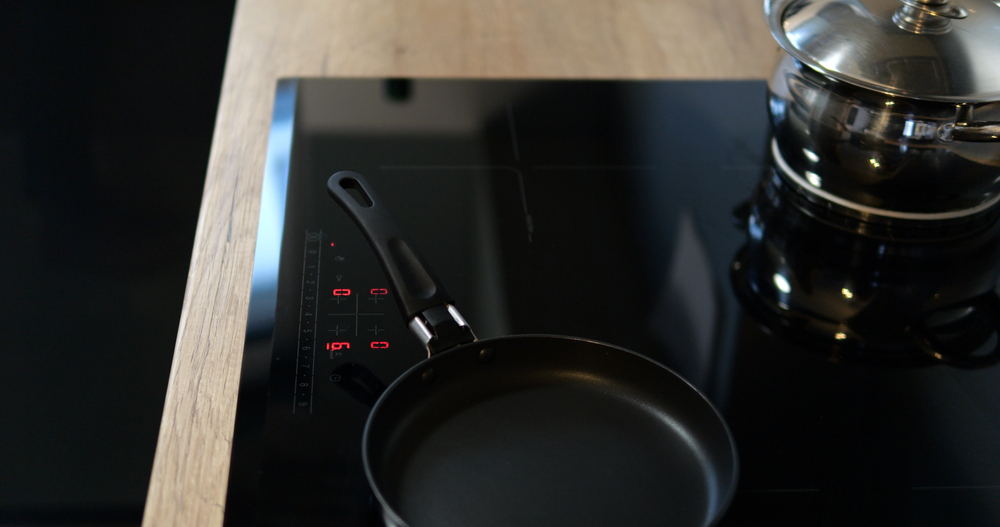
An induction hob uses a magnetic field to heat the base of the pan rather than heating the cooking surface directly. This makes heat available quickly and precisely. Water often reaches boiling point faster, while the cooking zone cools relatively quickly after use.
Common advantages include:
- rapid heating
- a flat and easy-to-clean surface
- no open flame
- precise temperature control
- reduced heat loss around the pan
Not every pan is suitable for induction, and the electrical installation may need to be upgraded. A powerful hob often requires a dedicated circuit or multi-phase connection. This means the electrician may ultimately have more influence over the decision than the person who cooks most often.
What can the existing electrical system handle?
Before choosing induction, the electrical installation must be assessed. Older homes may have consumer units that were never designed for modern kitchen equipment. When the hob, oven, dishwasher and other appliances operate at the same time, the total load can be significant.
A technical assessment should consider:
- the power rating of the chosen hob
- the number of available circuits
- the home’s current electrical connection
- whether a dedicated cooking circuit can be installed
- the load created by other high-powered appliances
Any necessary upgrades should be planned before the kitchen is installed. Otherwise, an expensive induction hob may temporarily become nothing more than a glossy black section of worktop.
Induction and gas compared objectively
| Feature | Induction | Gas |
| Heating speed | Very fast | Fast and immediate |
| Cleaning | Simple | More components |
| Safety | No open flame | Open flame |
| Cookware | Magnetic base required | Almost all cookware |
| Installation | Electrical upgrade may be needed | Gas connection required |
| Appearance | Clean and modern | Traditional and familiar |
| Heat loss | Relatively low | More heat around the pan |
The best option therefore depends on more than personal taste. The property, renovation budget and future kitchen design all matter
“Discussions about gas and induction usually start with preference, but they often end with the technical installation. We first look at how the residents cook, what infrastructure is already available and what changes would be required. Only then can you make a choice that still works well years after the renovation.” — Robert Siutkowski, CEO Renoverend
Which option suits your household?
Induction is often a good choice for homeowners who want a modern, low-maintenance kitchen and are prepared to upgrade the electrical installation if necessary. Gas may remain attractive to people who value cooking over a visible flame and prefer to keep the existing connection.
Before deciding, consider:
- how often and how extensively you cook
- which cookware you already own
- how important easy cleaning is
- whether the electrical system needs upgrading
- how the choice fits future energy plans
A successful kitchen renovation begins with the way the entire room will be used, not with the appliance catalogue.
Why the decision must be made early
The chosen hob affects the position of connections, sockets, ventilation and worktops. Changing from gas to induction after the kitchen has already been ordered can lead to extra work, delays and additional expense.
The choice should therefore be confirmed during the design phase. An experienced renovation partner can coordinate the kitchen layout, technical installation and construction process. This prevents a household debate from becoming a technical problem on site.
Induction or gas is not a battle between right and wrong – it is a choice that must suit both the residents and the property.
FAQ
1. Is induction faster than gas?
Induction heats suitable cookware very quickly and is often faster for tasks such as boiling water.
2. Does the consumer unit need upgrading?
That depends on the hob’s power rating and the existing installation. A dedicated circuit or larger connection may be required.
3. Can every pan be used on induction?
No. The base must be magnetic. A simple magnet can often be used to check compatibility.
4. Is induction safer than gas?
The absence of an open flame reduces certain risks, although the surface may remain warm after contact with a hot pan.
5. Is gas cheaper than induction?
It depends on energy prices, installation costs, appliance efficiency and cooking habits. Energy price alone does not provide a complete comparison.
6. When should the decision be made?
Ideally during the kitchen design stage, before cabinetry and technical installations are ordered.