Choosing colors and materials is the heart of any successful renovation; it defines the atmosphere and character of your interior. However, a small misstep in the combination can lead to a disjointed or quickly outdated result. It’s not just about selecting beautiful elements, but about creating a harmonious whole that can stand the test of time.
The psychology of color: how hues affect space
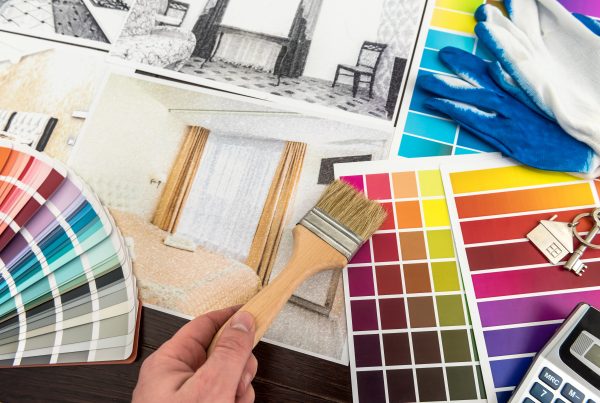
Color is a powerful design tool. Light, cool colors (white, light grey, pastel blue) are often used in small or dark rooms because they reflect light and visually enlarge the space. Dark, warm tones (deep blue, dark green, terracotta) are perfect for creating a cozy, intimate atmosphere and work well in larger, light-filled rooms. The art lies in balancing: use a foundation of neutral colors (white, beige, wood) and add accent colors through textiles or accessories to maintain flexibility in styling.
The texture of materials: the hidden dimension of design
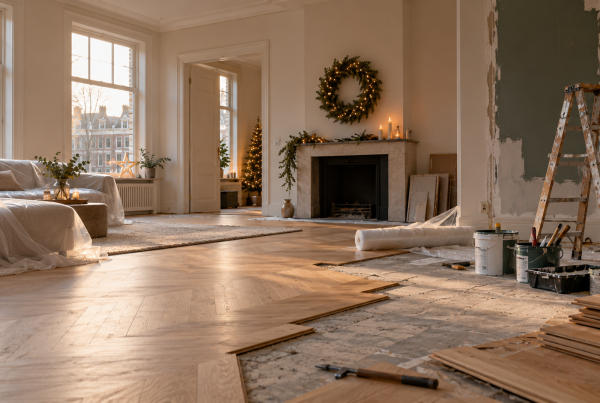
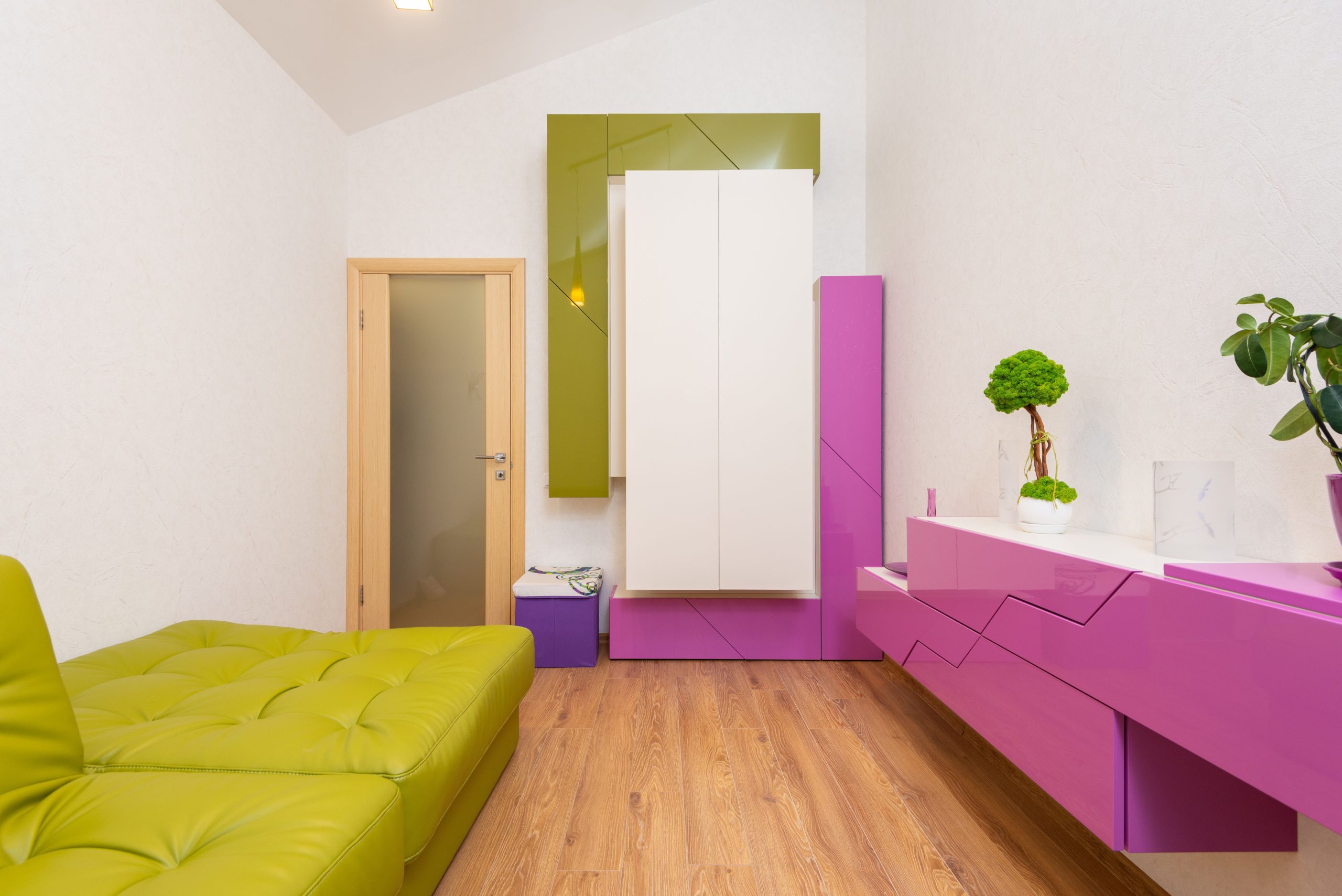
Materials give a space texture and depth. A sleek, smooth finish (e.g., high-gloss cabinets or polished tiles) works well in modern, minimalist interiors but can feel cold. Therefore, it is essential to break them up with natural, warm textures. Combine glossy kitchen cabinets with a wooden floor or a rough stone countertop to bring warmth and balance. Effective use of contrast, such as pairing rough linen with soft velvet, creates visual tension that makes the interior captivating.
“Color and material are the language of an interior – they determine whether a space feels harmonious and timeless or merely impressive for a moment. At Renoverend, we always think long-term: we design interiors to remain functional, aesthetic, and relevant for years to come. The key lies in a calm foundation, thoughtful contrasts, and quality that gains value over time rather than losing it,” emphasizes Robert Siutkowski, CEO of Renoverend.
Renoverend’s golden rules for sustainable combinations
At Renoverend, we adhere to some unwritten rules to ensure our designs remain relevant not only today but also ten years from now. The first is neutrality in the base: choose timeless colors and materials for the large, expensive surfaces (floors, fixed cabinets, tiling). The second rule is choosing accent metals: ensure all metals (faucets, door handles, light fixtures) in a room or open space are consistent (e.g., all matte black or brushed gold) for a polished look. Finally, we encourage investing in quality – high-quality materials age more beautifully than cheap alternatives.
Color and material combinations determine the aesthetic of your renovated home. Don’t leave it to chance; trust the expertise of Renoverend. Contact us for personalized interior advice to ensure your make-over is both stylish and timeless.
FAQ
1. How do I choose the right color palette for a home renovation?
The best approach is to start with a neutral base for large surfaces such as floors, walls, and built-in furniture. Neutral colors create flexibility and longevity. Accent colors can then be added through textiles, furniture, or accessories, allowing the interior to evolve over time without major renovations.
2. Which materials are the most timeless for interior renovations?Natural materials such as wood, stone, ceramic, and high-quality metals are considered timeless. They age well, develop character over time, and remain visually appealing regardless of changing design trends.
3. Can mixing different textures improve interior design?Yes. Combining smooth and rough textures adds depth and visual interest to a space. For example, pairing glossy surfaces with natural wood or soft fabrics creates balance and prevents interiors from feeling flat or cold.
4. How important is consistency in metal finishes?
Consistency in metal finishes (such as faucets, handles, and lighting) is crucial for a cohesive look. Mixing too many finishes can make a space feel chaotic, while a unified metal tone enhances elegance and visual harmony.
5. How do color and material choices impact long-term value?
Well-chosen colors and durable materials increase the longevity of an interior and reduce the need for frequent updates. High-quality finishes not only look better over time but also positively affect property value.