The construction industry is undergoing a major transformation. Rising energy costs, stricter environmental regulations, and changing expectations are pushing traditional materials to their limits. Recycled concrete, wood fiber facades, and innovative composites are no longer experimental – they are becoming practical alternatives.
Why the industry is moving towards new materials
Traditional building materials like concrete and steel have a significant environmental impact. Cement production alone contributes heavily to global CO₂ emissions. At the same time, there is increasing demand for buildings that are energy-efficient, durable, and comfortable.
New materials aim to meet these demands by offering better insulation, lower environmental impact, and improved performance. This shift reflects a broader move towards smarter and more sustainable construction.
Recycled concrete – does it really work?
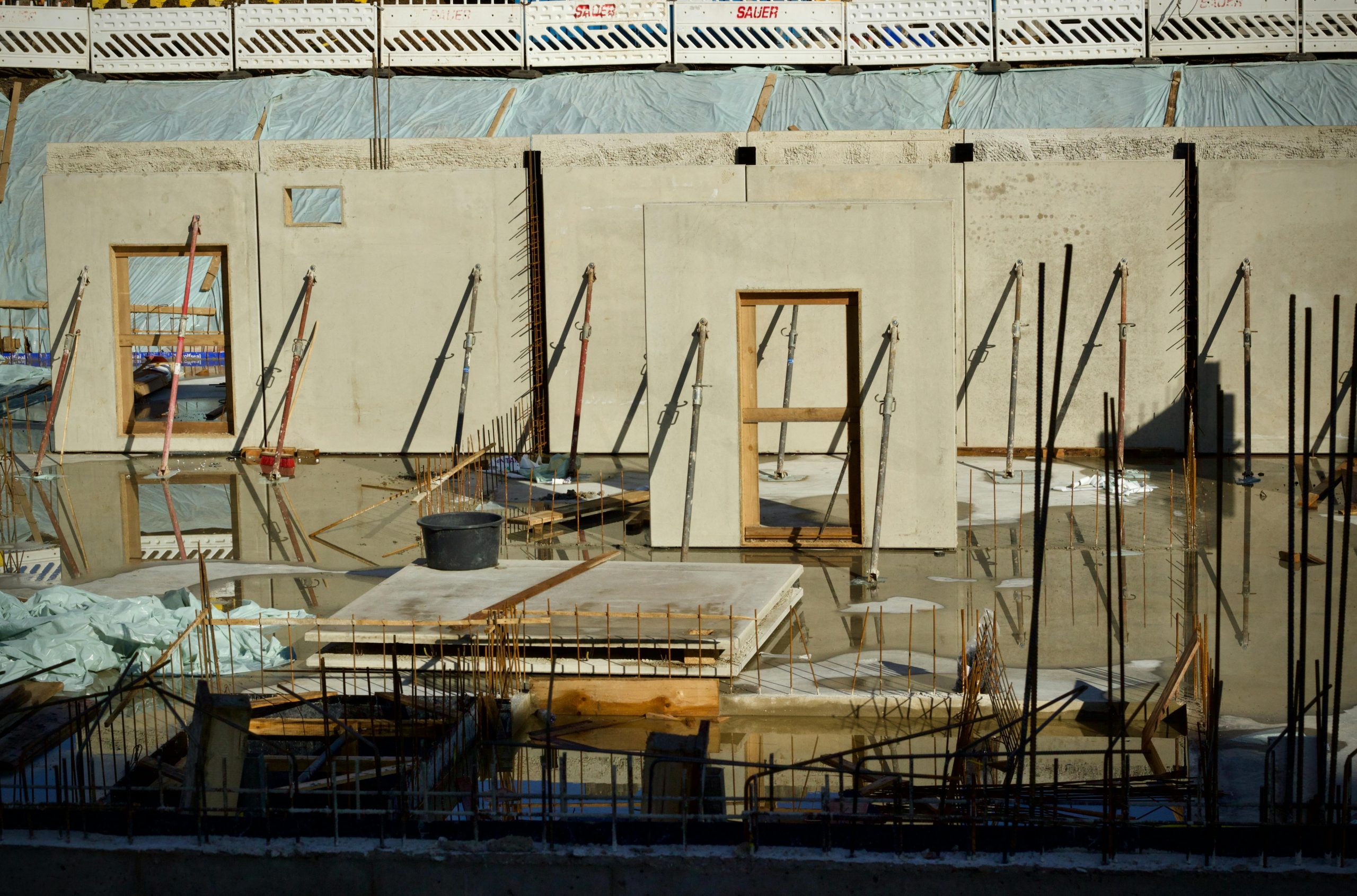
Recycled concrete is created by reusing materials from demolished structures. This reduces waste and lowers the demand for new raw materials. Modern processing methods allow it to achieve strength levels comparable to traditional concrete. In renovation projects, this makes it a practical and sustainable option. It offers both environmental benefits and reliable performance.
Wood fiber facades – natural insulation for modern buildings
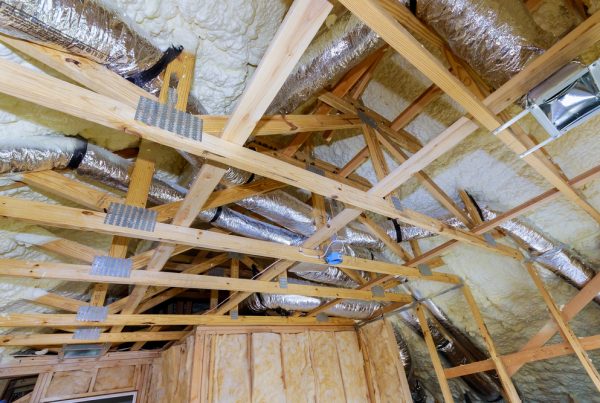
Wood fiber materials are becoming increasingly popular, especially in renovation and energy-efficiency upgrades. They provide excellent thermal insulation and help regulate indoor humidity levels. This results in improved comfort and a healthier indoor climate. As a renewable material, wood fiber fits perfectly into sustainable construction strategies. It is now widely used as an alternative to conventional facade systems.
Comparison: traditional vs modern materials
While modern materials may require higher upfront investment, they often deliver long-term savings.
| Feature/strong> | Traditional | Modern |
| CO₂ emissions | high | lower |
| Insulation | standard | high |
| Durability | high | comparable |
| Sustainability | low | high |
| Initial cost | lower | often higher |
| Long-term cost | higher | lower |
“We see that clients are increasingly focused on long-term value rather than just initial costs. Materials that were once considered innovative are now becoming standard in renovation projects. It’s no longer about trends – it’s about making smart decisions.” — Robert Siutkowski, CEO Renoverend
Where these materials work best
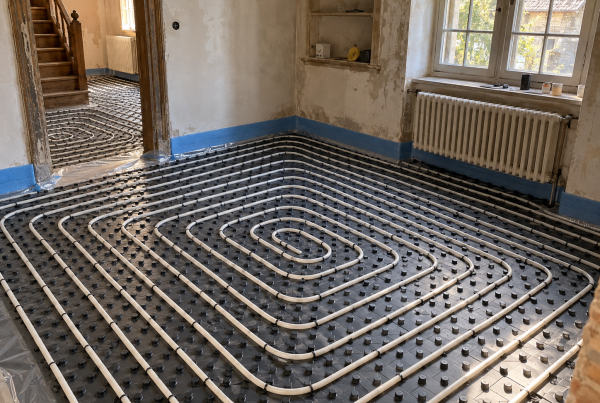
Modern materials are especially effective in renovation projects. Older buildings benefit significantly from improved insulation and energy performance. This allows upgrades without major structural changes.
They are also widely used in urban environments, where efficiency and sustainability are key priorities.
Will they replace traditional materials entirely?
Despite their growing popularity, modern materials are unlikely to completely replace traditional ones. In many cases, the best results come from combining both approaches. The key lies in selecting the right materials for each specific project. The future of construction is not about replacement, but integration.
Modern materials don’t just change how we build — they change how we think about buildings.
FAQ
1. Is recycled concrete as strong as traditional concrete?
Yes, modern processing ensures comparable strength.
2. Are sustainable materials more expensive?
Often upfront, but cheaper in the long run.
3. Can they be used in renovations?
Yes, they are widely used in renovation projects
4. Are wood fiber materials moisture-resistant?
Yes, they regulate moisture effectively.
5. Are these materials widely used?
Yes, especially in Western Europe.
6. Are they the future of construction?
Yes, alongside traditional materials.