Your home doesn’t speak. But it gives signals. At first subtle – a strange noise, a slightly colder radiator, a slightly higher energy bill. Then it starts to shout. And eventually… it takes revenge. Because nothing tests your patience like a failure at the worst possible moment. And while it may seem like objects are being malicious, the truth is simple – most problems come from neglect.
Small signals you ignore (but shouldn’t)
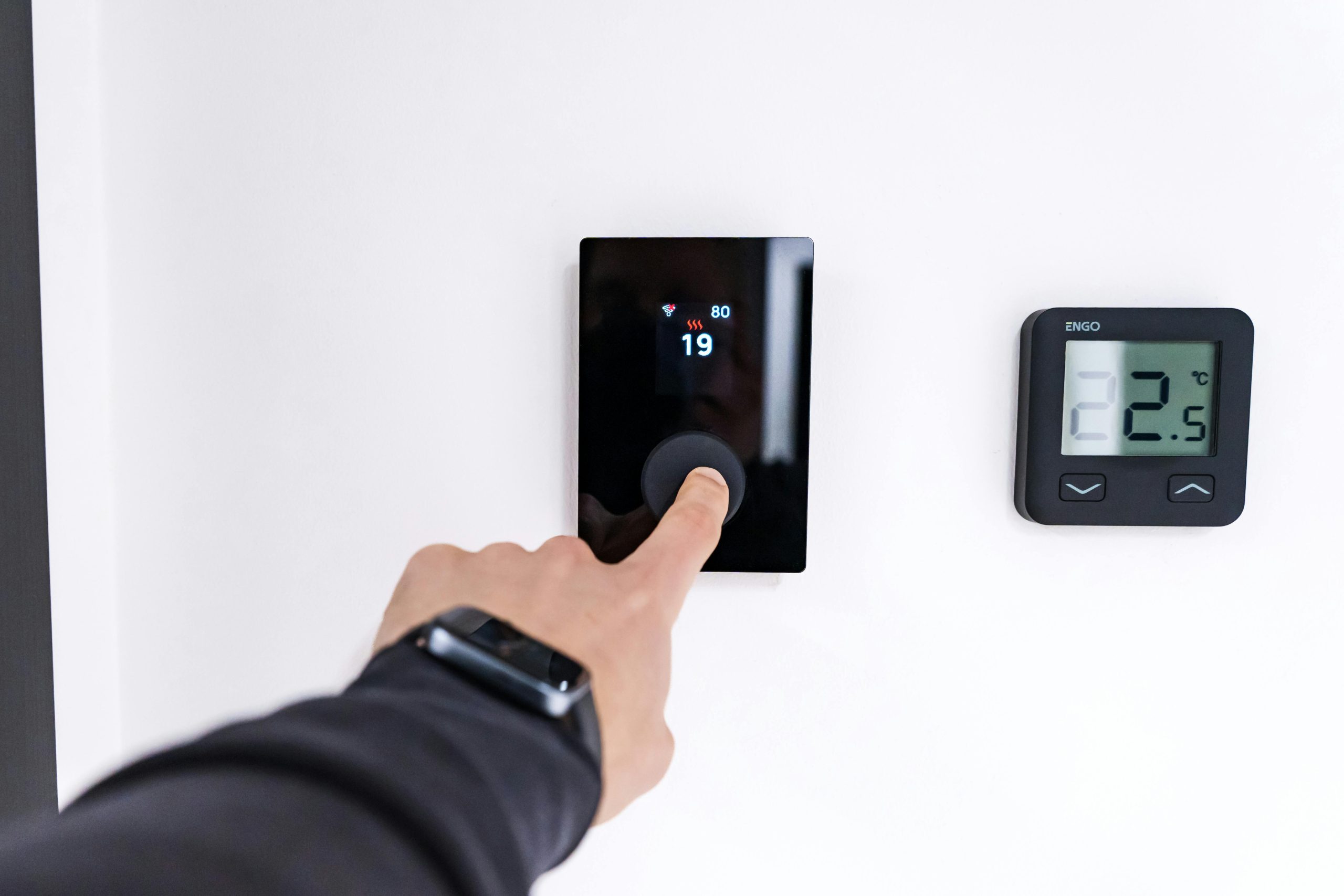
Every major failure starts innocently. The thermostat responds slower, the heat pump becomes louder, and it takes longer for water to heat up. This is the moment when most people say: “it’s nothing”.
The problem is that systems don’t fail overnight. They wear out gradually, and the first signs are subtle. Ignoring them is like ignoring a warning light in your car – it works… until it suddenly doesn’t.
Typical “revenge” from your home – sounds familiar?
If you’ve ever said “I’ll fix it later”, your home remembers. And it reminds you.
Common issues caused by neglect:
- heat pump fails during winter
- boiler stops on the coldest day
- low water pressure
- electrical issues
- plumbing leaks
This is not bad luck. This is lack of maintenance.
Why delaying always costs more
Regular maintenance may seem unnecessary. Until something breaks. Then you realize a small check could have prevented a big issue.
Comparison (real scenarios):
| Situation | Cost | Result |
| Regular maintenance | low | no failures |
| Ignoring issues | medium → high | repairs |
| Winter breakdown | high | urgent intervention |
“The most common mistake we see is postponing small issues. Systems always give signals early – you just need to notice them. We often encounter situations where a minor issue turns into a major failure simply because no one reacted in time.” — Robert Siutkowski, CEO Renoverend
How to avoid ‘revenge from your home’ – simple rules
The good news: most problems can be avoided. You just need to treat your home as a system that requires maintenance.
Checklist:
- inspect installations at least once a year
- react to unusual sounds or changes
- don’t postpone small repairs
- use professional inspections
- monitor energy and water usage
Simple actions, big impact.
Your home doesn’t take revenge – but neglect always does.
FAQ
1. How often should installations be checked?
At least once a year, especially before winter.
2. Does a heat pump require maintenance?
Yes, regular servicing improves lifespan and efficiency.
3. How to recognize a problem?
Look for noise, reduced performance, or higher bills.
4. Can small issues become serious problems?
Yes, most major failures start small.
5. Is maintenance necessary if everything works?
Yes, prevention is always cheaper.
6. When should you react?
Immediately – the sooner, the better.