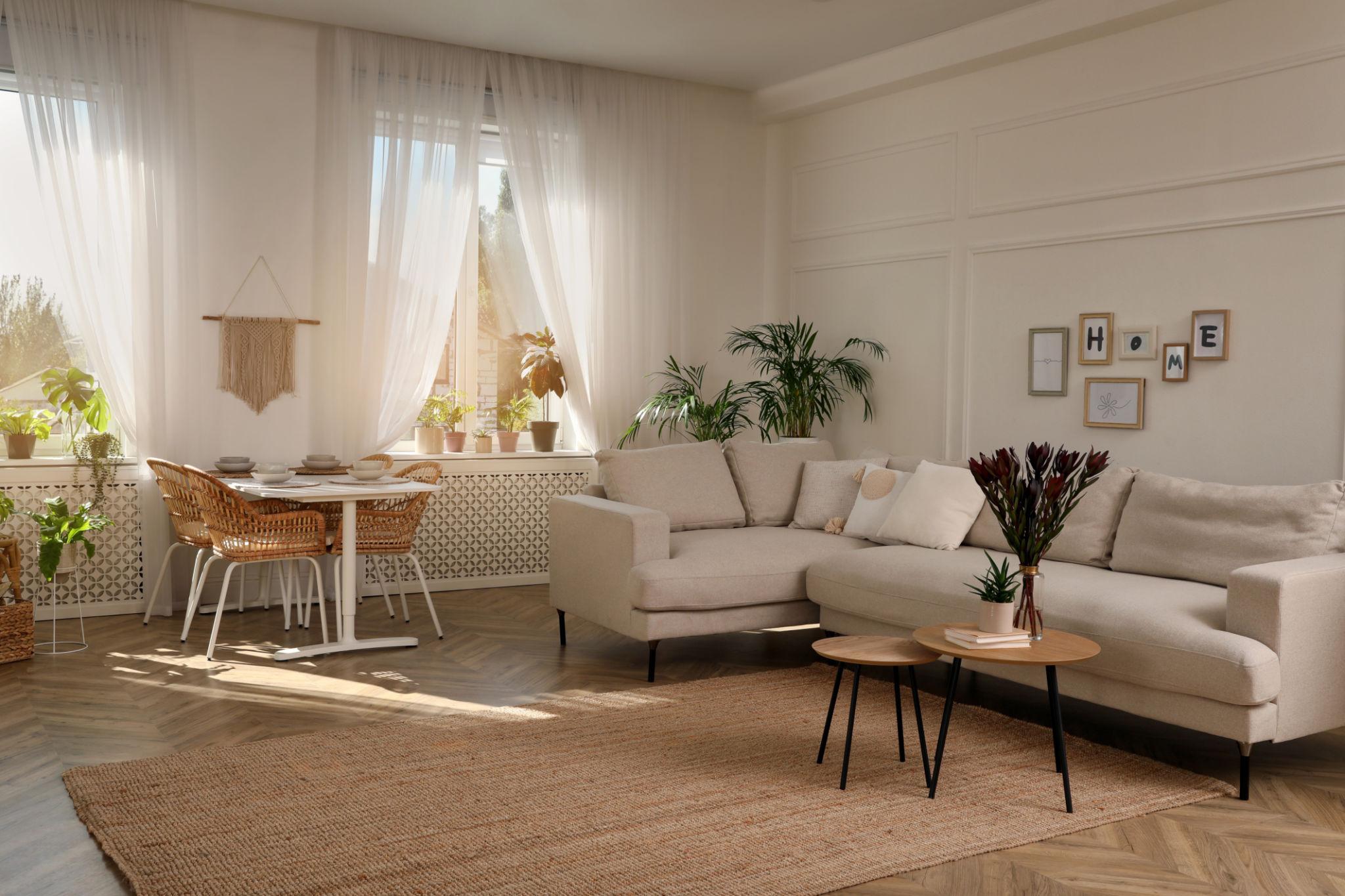
Interior design trends change faster than ever. What felt modern just a few years ago can now look outdated. Beige, for example, keeps returning in different forms – always marketed as timeless and calm. At the same time, new trends continue to emerge, often bringing higher costs and more complex execution. As a result, many renovations are driven more by visual trends than by long-term functionality.
Trends that look great in photos
Many interior trends are designed to look impressive in photos and online. In reality, they often require precise execution and specialized skills. Even small imperfections can affect the final result. Some materials also prove less durable in everyday use than expected. This makes them less practical, especially in frequently used spaces.
Common trends that can be difficult to execute:
- gold and black fixtures – sensitive to wear and stains
- concrete finishes – hard to apply evenly
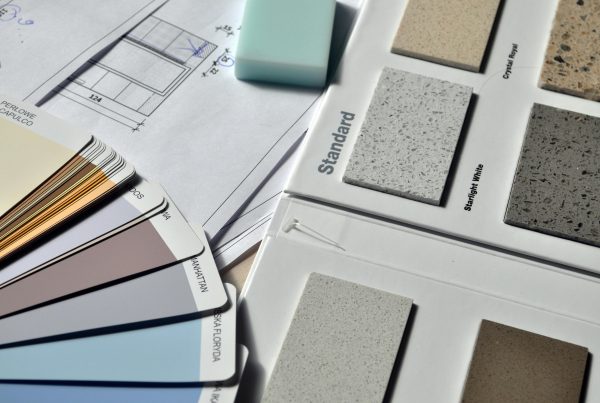
- terrazzo surfaces – expensive and difficult to match
- bold colors – visually tiring over time
These choices often increase costs without improving usability.
Why trends change so quickly
Interior trends are heavily influenced by social media and marketing. What becomes popular spreads quickly, but often fades just as fast. This leads to interiors becoming outdated more quickly than before. For homeowners, this often means more frequent updates and higher long-term costs.
In practice, this results in:
- shorter design lifespan
- more frequent renovations
- increased financial pressure
Trends are temporary, while renovations should last for years.
“Many clients are inspired by visuals that don’t always reflect everyday use. We often see trendy solutions being replaced after a few years because they are not practical. That’s why we always recommend looking beyond aesthetics.” — Robert Siutkowski, CEO Renoverend
What works better than trends
More homeowners are choosing a long-term approach focused on durability and usability. This doesn’t mean interiors need to be boring, but it does mean making more thoughtful decisions. Materials and colors are selected based on how they perform over time.
A more effective approach includes:
- neutral base with replaceable accents
- durable materials suited for daily use
- simple forms that age well
- focus on comfort and practicality
This results in interiors that remain functional and relevant for years.
A well-designed interior doesn’t follow trends – it continues to work as trends change.
FAQ
1. Are interior trends always a bad idea?
No, but they should be approached carefully.
2. Why are trendy solutions often more expensive?
Because of materials and complex execution.
3. How can you prevent an interior from aging quickly?
By choosing neutral and durable solutions.
4. Is beige really timeless?
It can be, depending on how it’s used.
5. Should you avoid trends completely?
No, but use them in moderation.
6. What is the safest renovation approach?
Focus on quality and functionality.