In modern homes, it’s no longer just about design and finishing. Comfort, energy efficiency, and air quality are becoming increasingly important. Ventilation systems with heat recovery – often referred to as recuperation – are now a key element in both renovations and new builds. What was once considered an optional upgrade is now becoming a standard feature in energy-efficient homes.
How heat recovery ventilation works
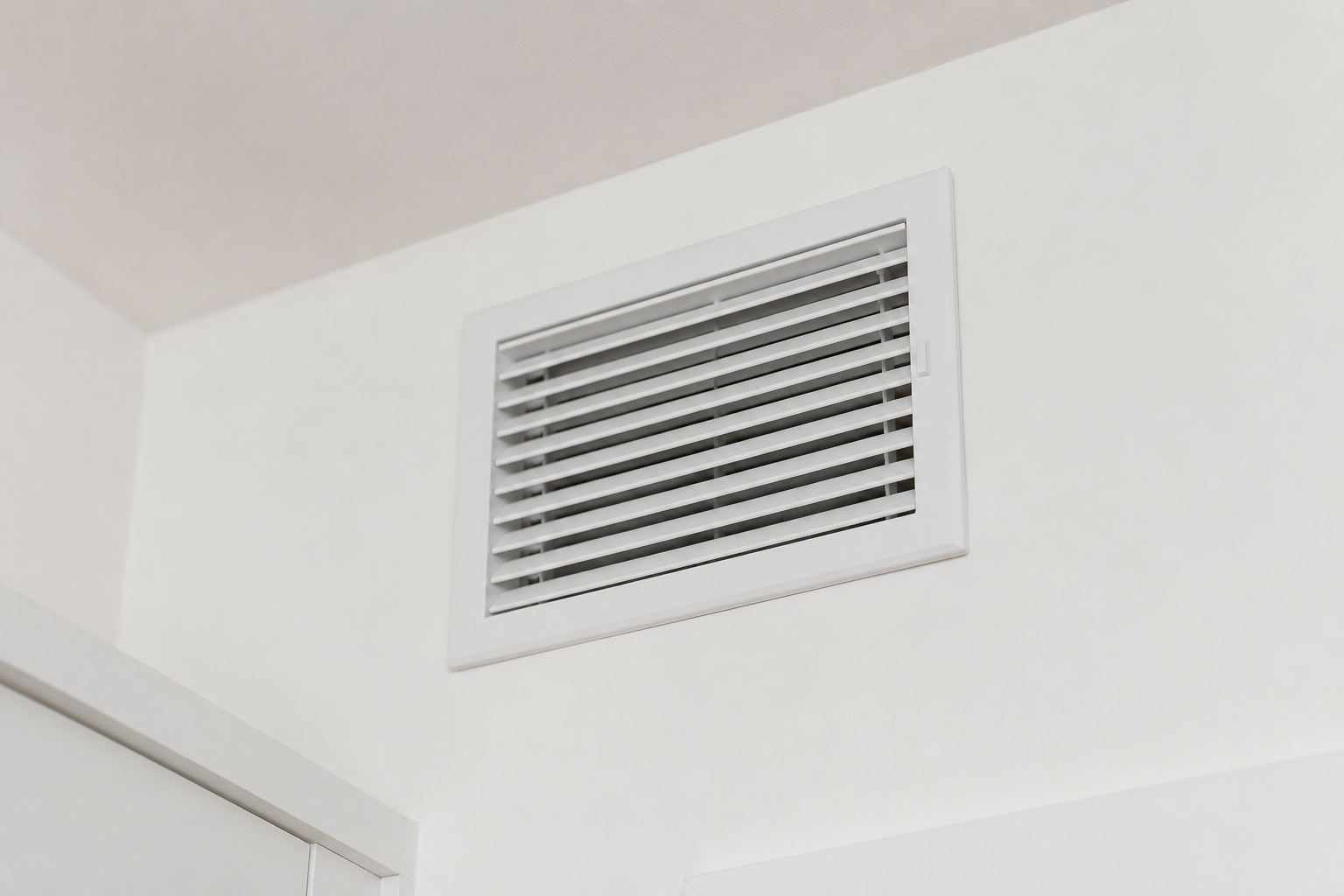
A heat recovery system ensures continuous air exchange without losing valuable heat. Stale air is removed while fresh air is brought in and preheated using the energy from the outgoing air. This keeps indoor temperatures stable and reduces energy loss.
In practice, this means:
- continuous supply of fresh air
- less need to open windows
- retention of indoor heat
- better control over indoor climate
The system operates quietly in the background but has a noticeable impact on daily comfort.
Impact on energy costs
One of the main advantages of heat recovery ventilation is its effect on energy consumption. By reducing heat loss, the heating system doesn’t need to work as hard. This leads to lower energy bills, especially in well-insulated homes.
Key benefits:
- more efficient use of heating energy
- reduced monthly costs
- stable indoor temperature
- minimized heat loss
When combined with a heat pump, it creates a highly efficient, integrated system.
Impact on health and indoor air quality
Indoor air quality has a direct effect on health and well-being. Poor ventilation can lead to moisture issues, mold, and the accumulation of dust and allergens. Heat recovery systems help prevent these problems by continuously refreshing the air.
This results in:
- cleaner indoor air
- fewer allergens and dust particles
- improved sleep quality
- reduced humidity problems
In modern airtight homes, this becomes even more important, as natural airflow is limited.
“Ventilation is often underestimated, yet it is one of the key factors influencing comfort at home. We see that clients are becoming more aware of air quality and energy efficiency. Heat recovery systems are a logical step in that direction.” — Robert Siutkowski, CEO Renoverend
When is the right time to install it
The best moment to install a heat recovery system is during construction or a major renovation. This allows the system to be fully integrated without additional modifications later.
Best moments include:
- new construction projects
- full home renovations
- upgrading heating systems
- improving energy efficiency
Installation is also possible in existing homes, but requires more planning.
Heat recovery isn’t something you see – but it’s something you feel every day.
FAQ
1. Is heat recovery suitable for every home?
Yes, but installation depends on the building.
2. Does it really save energy?
Yes, especially in well-insulated homes.
3. Is the system noisy?
Modern systems are very quiet.
4. Can it work with a heat pump?
Yes, they complement each other.
5. Does it require maintenance?
Yes, mainly filter replacement.
6. Does it improve air quality?
Yes, continuously and noticeably.